
Lucasys Blog

Understanding the Tax Implications of Mergers and Acquisitions in the Utility Sector
Mergers and acquisitions (M&A) have long been a strategic tool for growth and expansion in the utility industry. Whether to achieve economies of scale, expand service territories, or diversify energy portfolios, these transactions can significantly reshape a company's operations and market position. However, along with the potential benefits, M&A activities come with complex tax implications that can have a lasting impact on a company's financial health and regulatory compliance.

Empowering Modern Utilities: The Essential Investment in High-Performance Accounting Software
In an era where technological advancements are reshaping industries and redefining the very essence of efficiency, utilities find themselves at a crucial crossroads. Ever-growing demand for reliable energy services has placed an enormous burden on rate-regulated utilities to streamline their operations and optimize every facet of their business. However, many utilities continue to rely on outdated accounting systems and processes that limit their ability to adapt to an evolving landscape. Investment in high-performance computing is becoming critical for operational success, and utilities need a viable plan for transitioning to the best available accounting technology in order to drive sustainable growth in a competitive market.

Simplified Implementation and Effortless Data Conversion
Implementing new software systems is a challenging task for rate-regulated utilities given the scope and complexity of their operations. The importance of seamless implementation and accurate data conversion cannot be overstated. Lucasys Depreciation was designed to address the unique challenges faced by rate-regulated utilities and provides an effortless implementation process.

Lucasys Depreciation Simplifies Fixed Assets with User-Friendly Controls
Depreciation tracking can be a challenging task for rate-regulated utilities that have to comply with strict accounting standards, so Lucasys Depreciation was specifically designed to make the process more intuitive and user-friendly. One of the key benefits of Lucasys Depreciation is its incredible ease of use. New members of a team can immediately access advanced tools without the need for extensive training, allowing accounting and tax departments to quickly adapt to changes in resource planning. Whether you’re a seasoned accountant or tax professional, or someone just starting out in the field, Lucasys Depreciation can simplify the process of tracking depreciation and make your work more efficient.
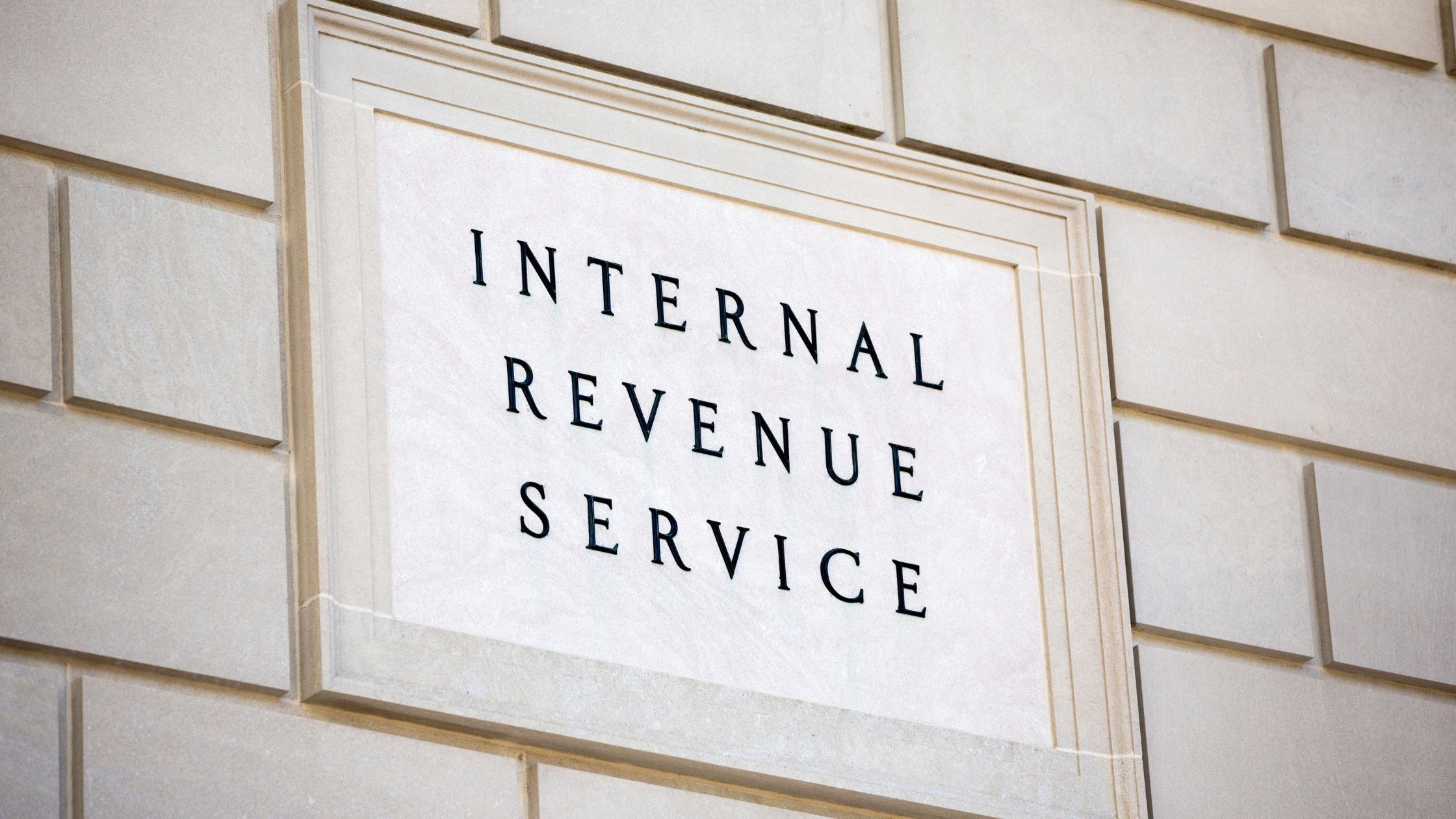
IRS Issues New Safe Harbor Rules for Natural Gas Repairs: What Rate-Regulated Utilities Need to Know
The IRS has issued a new revenue procedure, Rev. Proc. 2023-15, providing a safe harbor method of accounting for natural gas transmission and distribution property repairs, maintenance, replacements, and improvements. This new method allows taxpayers to classify these costs as either capital or deductible expenditures, providing clear and bright-line rules to reduce the burden of compliance.

Lucasys Deferred Tax Empowers Utilities with Dynamic Excess Reversal Controls
Lucasys Deferred Tax has modernized the management of deferred tax reversals by building a suite of intuitive and dynamic controls to streamline their management. Deferred tax balances and associated excess is tracked at a granular level to allow for complete calculation transparency, allowing for new insights into the accumulation and reversal of deferred balances.

Maximizing Your Returns: Lucasys Deferred Tax Helps You Navigate Excess Deferred Income Taxes
Introducing Lucasys Deferred Tax: a first-of-its kind software designed for rate-regulated utilities that provides comprehensive tracking of excess deferred taxes. This innovative software solution enables utilities to track complex tax and regulatory accounting requirements with ease, ensuring compliance with regulatory requirements and accurate reporting of tax balances.

Digital Technologies Propel Utilities to Transform Workforce
Utilities are bracing for a digital revolution, though according to a recent report most executives in the sector agree that their businesses are not prepared for it.
In the Digital Transformation and the Workforce Survey commissioned by EY Power & Utilities, nearly 90% of executives report having too few digitally savvy workers is frustrating their ability to adopt digital technologies. Not only is the problem of an insufficient workforce staring them in the face, by most of the respondents surveyed are lacking a plan on how to proceed. With near-universal agreement (94%) on the need for direct investment in technology and the workforce, utilities are soon to be left scrambling for solutions. The transformation of the power industry will be based on technology, but it will be driven by people.

Corporate Tax Rate Change Implications for Utilities
The 117th United States Congress is now set following two runoff elections in Georgia which have given the Democratic party control over 50 seats in the Senate and the tie-breaking vote through Vice President-elect Kamala Harris. With control of both chambers of Congress and the Presidency, Democrats are now poised to pursue more ambitious policy changes, including a proposed increase to the corporate tax rate.

Lucasys Announces Completion of SOC 2 Type 2 Audit Certification
Lucasys is proud to announce an important compliance milestone in the completion of a SOC 2 Type 2 attestation for its software solutions. This security compliance measure is a testament to Lucasys’ continued commitment to protecting customer data as it emerges as a leading cloud provider for enterprise financial solutions.

Tax Reform and ADIT
The Tax Cuts and Jobs Act, signed into law on December 22, 2017, has placed a responsibility on companies to understand the various complexities within the law and to assess the accounting and financial reporting impacts on their organizations. For rate-regulated utilities, certain changes in tax law have put a spotlight on the interplay of rate-making and accounting activities. In particular, the reduction of the top corporate income tax rate from 35% to 21% has initiated a cascade of activities for rate-regulated utilities.